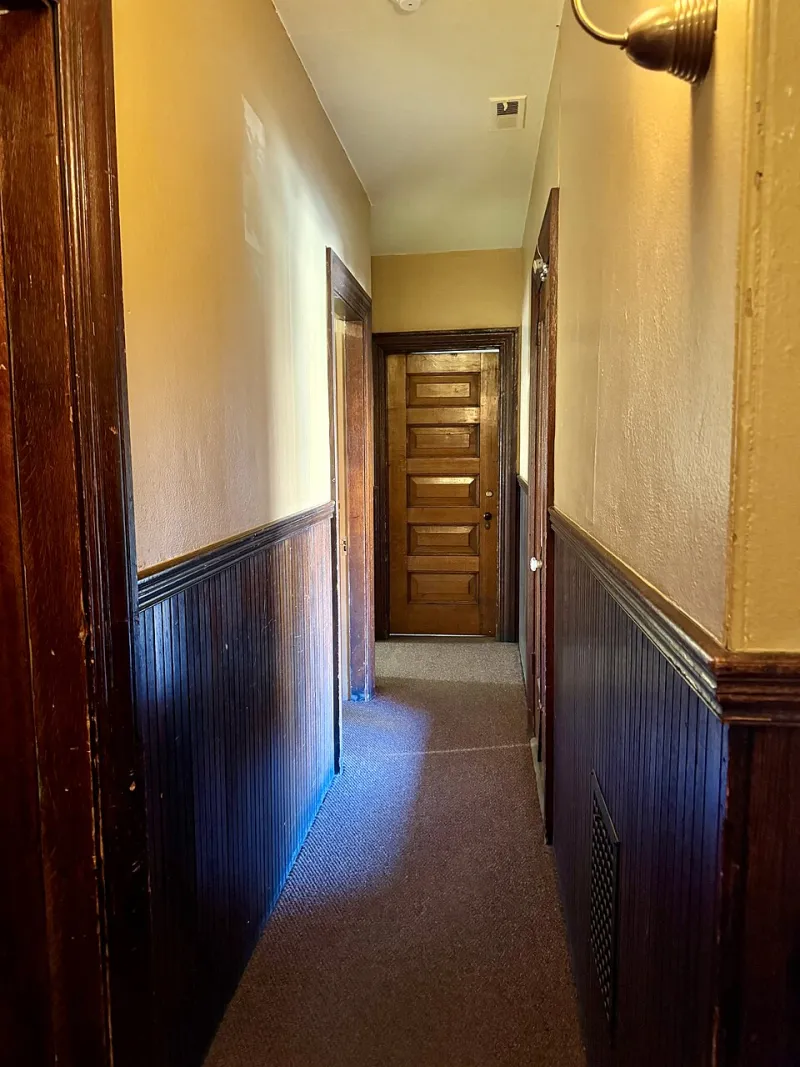
Magnolia Is Not a Personality: Eight Colour Moves UK Renters Can Make Without Losing the Deposit

Photo: runran, CC BY-SA 2.0, via Wikimedia Commons
Let’s be clear: your deposit is not a decorating budget. It is your money, held to cover damage, and it is protected by rules that are worth understanding before you pick up a paintbrush. In the UK, landlords must protect your deposit in a government-approved scheme — the Tenancy Deposit Scheme, MyDeposits or the Deposit Protection Service — usually within 30 days of receiving it. At the end of the tenancy, deductions can be made for damage, but not for fair wear and tear. That distinction matters enormously when you are renting and you want a hallway that is not the colour of a tired biscuit.
Renters deserve colour too. The assumption that tenants should live in a neutral box until they can afford a mortgage is depressing and, frankly, a bit lazy. You can add colour without handing over your deposit. You just have to be strategic about where the colour goes, what you put it on, and what you agree in writing before you start.
First, the boring bit: deposits and permission
Most ASTs say you cannot make alterations without the landlord’s consent. Painting a wall usually counts as an alteration, even if you think it is an improvement. So ask first, in writing, and be specific: which room, which colour, which finish, and whether you will restore it before you leave. Keep the reply. A friendly email trail is worth more than a verbal yes.
This is also where a make-good clause comes in. In plain English, it is an agreement about how you will put things right at the end. It might say you can paint as long as you return the walls to the original colour, or leave them in a named neutral. It might set a cap on what the landlord can charge. It might simply confirm that a particular shade is acceptable. Get it in writing before the paint goes on.
1. Paint inside cupboards and wardrobes
This is the classic renter move: colour where the landlord rarely looks. The inside of a cupboard, a wardrobe or a built-in storage unit can take a bold shade without changing the character of the room. Ask permission first, use a washable matt emulsion, and keep the finish neat. If you leave, it is usually easy to repaint or to argue that a freshly painted cupboard interior is not damage. Choose a deep green, a warm terracotta or a zingy yellow and let the doors do the neutral work.
2. Treat freestanding furniture as your colour canvas
No permission needed here. A charity-shop sideboard, a basic IKEA unit or a second-hand bookcase can become the boldest thing in the room with a tin of primer and a colour you actually love. This is the safest way to rent with colour: if you move, the furniture comes with you. Paint the inside of shelves a contrasting shade, colour-block the drawers, or go all-in on a single statement piece. It is reversible, portable and entirely yours.
3. Colour the trim, not the whole wall
Skirting boards, architraves and door edges are smaller surfaces, which makes them lower-risk than a full wall. They are still an alteration, so get consent, but a strong trim colour can transform a room without drowning it. A deep blue-green skirting against pale walls looks deliberate rather than default. Use an eggshell for durability, tape carefully, and keep a note of the original colour in case you need to restore it. If you are nervous, start with the inside of a door frame or a single panel.
4. Choose washable matt emulsion for high-traffic walls
If you do get permission to paint, do not reach for the chalkiest, most delicate finish you can find. Hallways and kitchens need scrubbable paint. Washable matt emulsions are designed to be wiped down, which makes them a sensible choice for rented homes where you cannot afford to repaint every year. Look for terms like scrubbable, durable or washable on the tin, and use a mould-resistant formula in bathrooms. A good washable matt in a warm neutral or soft green is a grown-up way to add colour without creating a maintenance nightmare.
5. Negotiate a make-good clause in writing
This is the single best deposit-protection move available to renters. Before you paint, agree in writing what making good actually means. Will you restore the original colour? Will you leave a specific neutral? Will the landlord cover the cost of repainting if they prefer a different shade? A clear clause stops the end-of-tenancy conversation from becoming a guess. It also protects you from a landlord deciding that your tasteful sage green is a reason to keep the whole deposit. Put it in an email, get a reply, and keep it with your tenancy paperwork.
6. Use removable wallpaper or a painted panel
If the walls themselves are off-limits, go for a surface that can leave with you. Removable wallpaper is widely available now, and a large painted panel or canvas can be leaned or hung without committing to the plaster. If you are renting an older property, be careful with adhesive products on lime plaster or freshly painted walls; test a small patch first. A bold panel behind a bed or in a dining nook gives you the colour hit without the make-good anxiety.
7. Go bold with textiles and lighting
Colour does not have to come out of a tin. Curtains, rugs, cushions, lampshades and headboards can all carry a strong shade, and none of them require landlord permission. A deep mustard curtain in a rented living room can do more than a feature wall, and it moves house with you. Swap the boring ceiling shade for something with colour or texture, add a bold runner in the hallway, and use a rug to anchor a rented room that otherwise feels temporary.
8. Ask for one accent wall — and offer to restore it
If you want to paint a wall, make it one wall. Choose the least complicated surface, use a durable emulsion, and offer to restore it to the original colour before you leave. Take photographs before you start, keep the original paint code if you can find it, and buy a small pot of the original colour for touch-ups. A single accent wall in a bedroom or living room is easier to reverse than a whole-house colour scheme, and it gives you the daily pleasure of living with a colour you chose.
Renting should not mean living in fear of a scuff. With a written agreement, a sensible finish and a bit of strategic thinking, you can have colour now and still get your deposit back later. Magnolia is not a personality. It is just a default — and you are allowed to change the settings.